

For more than 25 years as a complex claim examiner, my daily routine was straightforward: review the beneficiary’s submitted claim documents, determine whether we had everything needed to make a decision, and process payment as quickly and seamlessly as possible. The ultimate goal was always the same, support the family during one of the most difficult times of their lives.
The Domestic Approach to Complex Claims
When a death occurred due to homicide or accident, it felt almost automatic to pick up the phone and call the police investigator. In many cases, one conversation was enough to rule out beneficiary involvement. Determining whether the disease contributed to the death could be more complicated, but again, a call to the investigator or a request for the police report usually resolved the issue. For more complex cases, we relied on domestic investigative vendors to assist.
The Challenges of International Death Investigations
The same approach was applied to deaths that occurred outside the United States. As claim examiners, we assigned the case to a vendor and waited for the results. We knew international investigations would take longer, but I remember thinking, How hard can it really be? Surely it was just a matter of calling the investigator, visiting the police station, obtaining the police report and death certificate, and sending them back to us.
Then I came to work for Diligence, and everything I thought I knew changed.
Seeing the investigative world from the other side was eye-opening. I quickly learned that obtaining information through foreign investigations is rarely simple. Many countries are extremely guarded with their records and enforce strict privacy laws. Others are so poor or remote that organized recordkeeping barely exists, let alone computerized systems.
One of the most striking realizations was the danger investigators face just trying to verify government documents. Gang violence, cartel activity, and active conflict in the streets are everyday risks in some regions. On top of that, fraudulent documents are incredibly common, and with the rise of AI, fraud has only become more sophisticated.
Investigators must navigate unfamiliar terrain, locate the correct government offices, and convince officials to release information—each country with its own rules and expectations. Knowing these requirements in advance is critical. Repeated visits can raise suspicion and further delay the investigation.
Understanding Delays: A Case Study in Mexico
As a case manager, learning these complexities has helped me understand the delays I once found so frustrating as a claim examiner. For example, in Mexico, meeting with the certifying physician is not as simple as a phone call or office visit. Physicians are overwhelmed, often responsible for far more patients than they can reasonably manage. To meet with one, an investigator must first obtain permission, then schedule an appointment, sometimes weeks or months out. Requesting written documentation afterward can take even longer.
Hospitals present similar challenges. When it comes to medical canvassing, records must be located, permissions obtained, and authorization granted. Investigators often have to return four or five times just to check whether records are ready. There is no system in place for hospitals to notify investigators when documents can be released.
The Realities of Investigative Logistics and the Hidden Risks of Waiving Investigations
This brings me to one of the most important lessons I’ve learned: the true cost of investigations. As a claim examiner, I was sometimes shocked by the price quotes for international investigations. Now I understand why. Travel to remote areas, repeated visits to facilities, rental cars, hotels, flights, and the very real personal danger investigators face all add up quickly.
What troubles me most is how often, as a claim examiner, I waived investigations because the family submitted what appeared to be sufficient documentation. Now, given the level of fraud worldwide, I cringe at how confident I once was in my ability to distinguish a legitimate death certificate from a fraudulent one, especially in countries where fake documents are easy to produce.
Trusting Diligence Over Documentation
Knowing what I know now, I would have placed far more trust in investigative diligence and less trust in my own judgment. Small details matter—such as verifying the correct civil registry office listed on a death certificate stamp, not just assuming it is valid because it appears official. In many countries, multiple registry offices exist, and only specific ones are authorized to validate certain deaths. A certificate stamped by the wrong office can be a major red flag.
There are countless details like these that make fraud alarmingly easy in today’s world. At the same time, we continue to expect faster turnaround times and lower record retrieval costs, often without fully appreciating the logistical, legal, and safety challenges involved.
A Call to Action for Claims Professionals
Take the time to understand what truly goes into an investigation, especially international ones. Trust the expertise of investigative vendors. Ask questions, respect the process, and recognize that thorough diligence protects not only the company but the integrity of the claims investigation process as a whole. What may seem expensive or slow on the surface is often the result of extraordinary effort behind the scenes. With greater understanding comes better decisions and ultimately, better outcomes for everyone involved.
About the Author
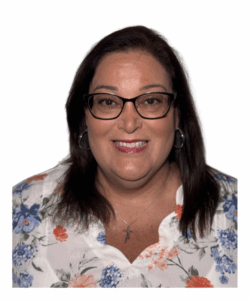
Darlene Gaden has over 30 years of experience in the insurance industry. She brings an incredible depth of knowledge and expertise to the Diligence team. From domestic accidental deaths and homicides to foreign deaths and contestable claims, Darlene has seen it all and managed it with exceptional skill. She is not just an expert in claims, but also a natural leader.
During her impressive career at Prudential in Jacksonville, FL, Darlene held various roles, quickly advancing to positions of greater responsibility. Most recently, she served as a Process Management Specialist, overseeing implementation and training across multiple sites and leading a team of claim examiners. Currently, she serves as an Investigative Analyst and Case Manager on Diligence’s international investigations team.